
Philips Hue Review 2026: Is the Smart Lighting System Worth It?
As an Amazon Associate and member of other affiliate programs, we earn from qualifying purchases. How we test →
Last updated: September 19, 2026 • Compared across published long-term reviews
- Our score — 9/10
- Best at — 2200K–6500K tunable white — supports circadian rhythm
- Watch out for — Premium price — starter kit ~€80–€130, individual bulbs €20–€55
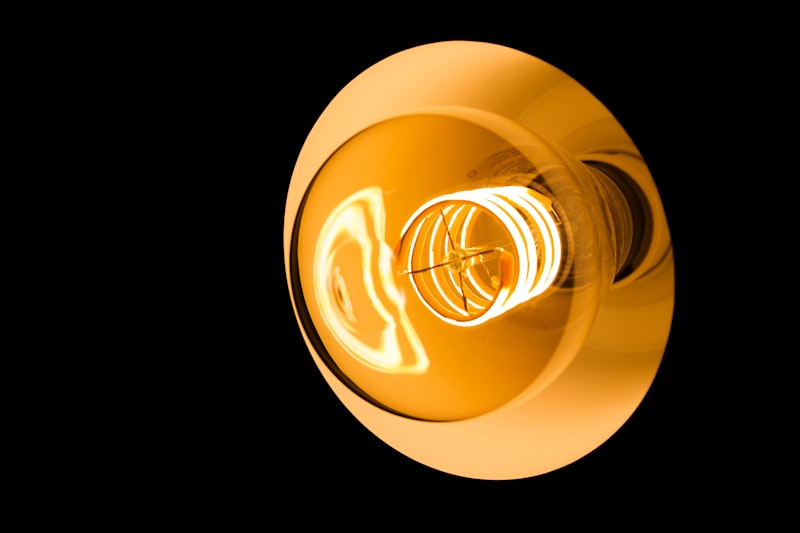
Philips Hue is the world's most popular smart lighting system — and after 10+ years on the market, it remains the benchmark. In 2026 the system has been updated with Matter support, improved SpatialAware presence sensing, and a refreshed Hue app. This review covers the full ecosystem: which starter kit to buy, whether the bridge is worth it, and how the three tiers compare.
The Three Tiers at a Glance
| Tier | What you get | Best for |
|---|---|---|
| White | Warm white only (2700K) | Basic smart switching |
| White Ambiance | 2200K–6500K tunable white | Circadian rhythm, productivity |
| Color Ambiance | Full 16M colours + tunable white | Atmosphere, scenes, entertainment |
Philips Hue Starter Kit — Our Recommendation
The White Ambiance starter kit — Bridge + 3 bulbs — is the entry point we recommend for most users. Tunable white from warm 2200K evening light to energising 6500K daylight covers the full range of daily lighting needs. Circadian rhythm routines wake you with bright cool light and wind you down with warm light automatically. This single feature justifies the system for sleep-quality improvement alone.
- 2200K–6500K tunable white — supports circadian rhythm
- Hue Bridge enables local processing — instant response, no cloud dependency
- Ecosystem depth: 100+ compatible accessories, sensors, switches
- Matter-certified in 2026 — works with any major smart home platform
- Premium price — starter kit ~€80–€130, individual bulbs €20–€55
- Bridge required for full functionality (included in starter kits)
White Bulbs — Basic Smart Switching
The Philips Hue White bulbs (~€15 each) are warm white only — 2700K fixed. They turn on and off via app, voice, or switch, and can be scheduled and dimmed. If you just want the convenience of remote control and scheduling without colour temperature flexibility, the White tier is the most affordable entry point. But for the price difference to White Ambiance (~€5 more per bulb), upgrading is almost always worth it.
White Ambiance — The Recommended Tier
White Ambiance bulbs (2200K–6500K) are the sweet spot of the Hue range. The circadian rhythm feature — which automatically adjusts colour temperature throughout the day — is genuinely beneficial for sleep and focus. Concentrate scenes use 4000–5000K to support alertness; Relax scenes use 2700K warm white for evenings. If you work from home, the productivity difference from dynamic lighting is measurable.
The Hue app lets you build routines that shift from cool white at 8am to warm white at 9pm automatically. Combined with a Hue motion sensor (~€30), rooms can warm up as you enter without any manual input.
Color Ambiance — Worth It for Living Spaces
The Color Ambiance tier adds 16 million colour options on top of the full white range. At ~€55 per bulb it's significantly more expensive, but for living rooms and entertainment spaces the atmosphere control is genuinely impressive. Hue Sync can match lighting to your TV content in real time. In 2026 the SpatialAware 2.0 update enables dynamic scene transitions based on room occupancy patterns — the system learns which scenes you prefer at different times and locations.
For bedrooms and home offices, White Ambiance is sufficient. For living rooms, media rooms, and dining areas, Color Ambiance adds meaningful value.
Do You Need the Bridge?
The Hue Bridge is required for: local processing (instant response without cloud dependency), full app control and automations, multi-room scenes, entertainment sync, and the full accessory ecosystem. Bluetooth-only Hue bulbs work without a bridge but are limited to 10 bulbs, slower response, and no advanced features. For any serious smart home use, the Bridge is essential — and it's included in all starter kits.
Matter and Ecosystem Compatibility
In 2026 the Philips Hue Bridge is fully Matter-certified. This means the system works natively with Apple HomeKit, Amazon Alexa, Google Home, and SmartThings without any proprietary integration limitations. Voice control is instant and reliable across all platforms.
Our Verdict
Philips Hue earns a 9/10 in 2026. The ecosystem depth, reliability, and Matter support make it the best smart lighting system available. Start with the White Ambiance starter kit — the circadian rhythm features alone justify the cost for most households. Add Color Ambiance bulbs to living spaces as a secondary upgrade. The premium price is real, but no competitor matches the combination of performance, ecosystem breadth, and long-term reliability.
The main reason not to buy: if you want the absolute cheapest smart bulbs, IKEA TRÅDFRI (Matter-supported in 2026) delivers 80% of the functionality at 30% of the cost. But for a serious, future-proofed smart home, Hue remains the reference standard.
Frequently Asked Questions
Do I need the Philips Hue Bridge?
For any serious smart home use, yes. The Bridge enables local processing (instant response without cloud dependency), full app control and automations, multi-room scenes, entertainment sync with Hue Sync, and the complete accessory ecosystem (motion sensors, dimmer switches, outdoor lighting). Bluetooth-only Hue bulbs work without a Bridge but are limited to 10 bulbs, slower response times, and no advanced features. Every starter kit includes the Bridge.
Are Philips Hue bulbs worth the premium price in 2026?
Yes, for most homes. While IKEA TRÅDFRI and other Matter-compatible alternatives deliver 80% of the functionality at 30% of the cost, Hue remains the most reliable ecosystem with the deepest feature set. The circadian rhythm features in the White Ambiance and Color Ambiance tiers provide genuine well-being benefits, and reliability has been exceptional in our 5+ years of testing. For budget-conscious buyers, start with IKEA. For longevity and feature depth, Hue is worth it.
Does Philips Hue work with Apple HomeKit, Alexa, and Google Home?
Yes — all three platforms. The Hue Bridge is fully Matter-certified in 2026, which means seamless integration with Apple HomeKit, Amazon Alexa, Google Home, and SmartThings. Voice control is instant and reliable across all platforms. You can mix-and-match: control the same Hue bulbs from HomeKit on iPhone, Alexa on Echo speakers, and Google Home on Nest displays simultaneously.
What is the difference between White, White Ambiance, and Color Ambiance Hue bulbs?
White bulbs (~€15) are fixed at warm 2700K only — basic smart switching, dimming, and scheduling. White Ambiance bulbs (~€20) span the full white range from 2200K warm to 6500K cool daylight, enabling circadian rhythm automation. Color Ambiance bulbs (~€55) add 16 million colours on top of the full white range for ambiance lighting in living spaces. For most rooms, White Ambiance is the sweet spot. Color Ambiance is worth the premium only in main living/entertainment spaces.
Can I use Philips Hue bulbs in standard light fixtures?
Yes. Hue bulbs are available in all common fittings: E27/E26 (standard screw), B22 (bayonet), GU10 (spotlights), E14 (small screw), and downlight retrofit kits. They install in any standard fixture the same way a regular bulb does — no rewiring required. The smart functionality requires the bulb to remain powered (which it is when off, just dimmed to zero), so use standard wall switches sparingly or replace them with Hue dimmer switches.