

- Best Camera for Macro Photography — OM System OM-1 Mark II (4.9/5)
- Best Macro Lens for Insect Photography — OM System 90mm f/3.5 IS PRO (4.9/5)
- Best Lens for Bird Photography — Canon RF 100-400mm
- Best Macro Lens for Beginners — Raynox DCR-250 (4.7/5)
Cameras
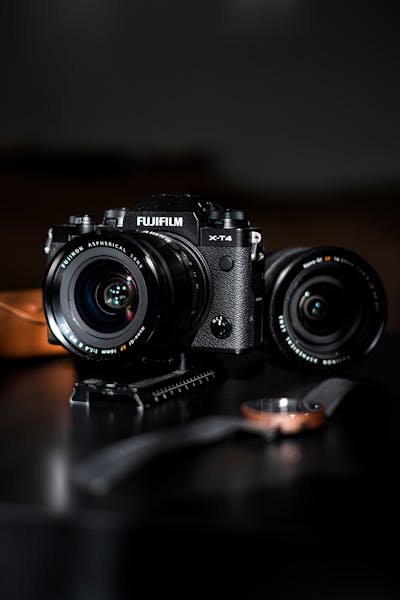
AI subject detection, weather sealing, and the best in-body stabilisation we have tested. The definitive macro camera for field photographers.
IP53 weather sealing, 7-stop IBIS, and a lower price — is it the smarter buy in 2026?

32MP APS-C, 7-stop IBIS, and 15fps burst — is this the best mid-range nature camera in 2026?
Compared on sensor, stabilisation, AF, and real-world macro performance. From MFT to full-frame.
We compare burst speed, subject tracking, reach, and weather sealing across 5 top cameras.
Lenses

Looking for the right macro lens for photographing insects? We compared 7 lenses across Canon, Sony, Nikon, OM System and Fujifilm on magnification, working distance, and autofocus.

Built-in IS, 2:1 magnification, weather sealed — the best macro lens for OM System and MFT cameras.
Compact, sharp, and surprisingly fast AF — is this the best value wildlife lens for Canon R-series cameras?
The snap-on macro adapter that turns any lens into a close-up powerhouse. Cheap, sharp, and genuinely useful — or is it?
Reach, autofocus speed, weather sealing, and price across Canon RF, Sony FE, Nikon Z and OM System.
We cut through the options and tell you exactly what to buy first — without wasting money on the wrong lens.
Flash & Lighting

Flash is not optional in insect macro — it freezes motion and gives you control. We compare the Godox V860III, V480, V1, MF12 twin kit, and Nissin MF18 ring flash.
Li-Ion battery, fast recycle, TTL — is this the flash to get in 2026?
The small flash that mounts on your lens for shadow-free macro lighting. Single unit vs the MF12-K2 twin kit.
Why most off-the-shelf diffusers fail at macro distances — and what actually works.
Software & Editing

Six new features in one update — AI Masks, Depth Masks, Glass Effect, Halation, Chromatic Shift, and Color Grading. The most ambitious Nik release yet.

The full Lightroom alternative — now with Depth Masks, a new colour grading wheel, face-level AI masks and a one-click hand-off to Affinity. One-time purchase, no subscription.
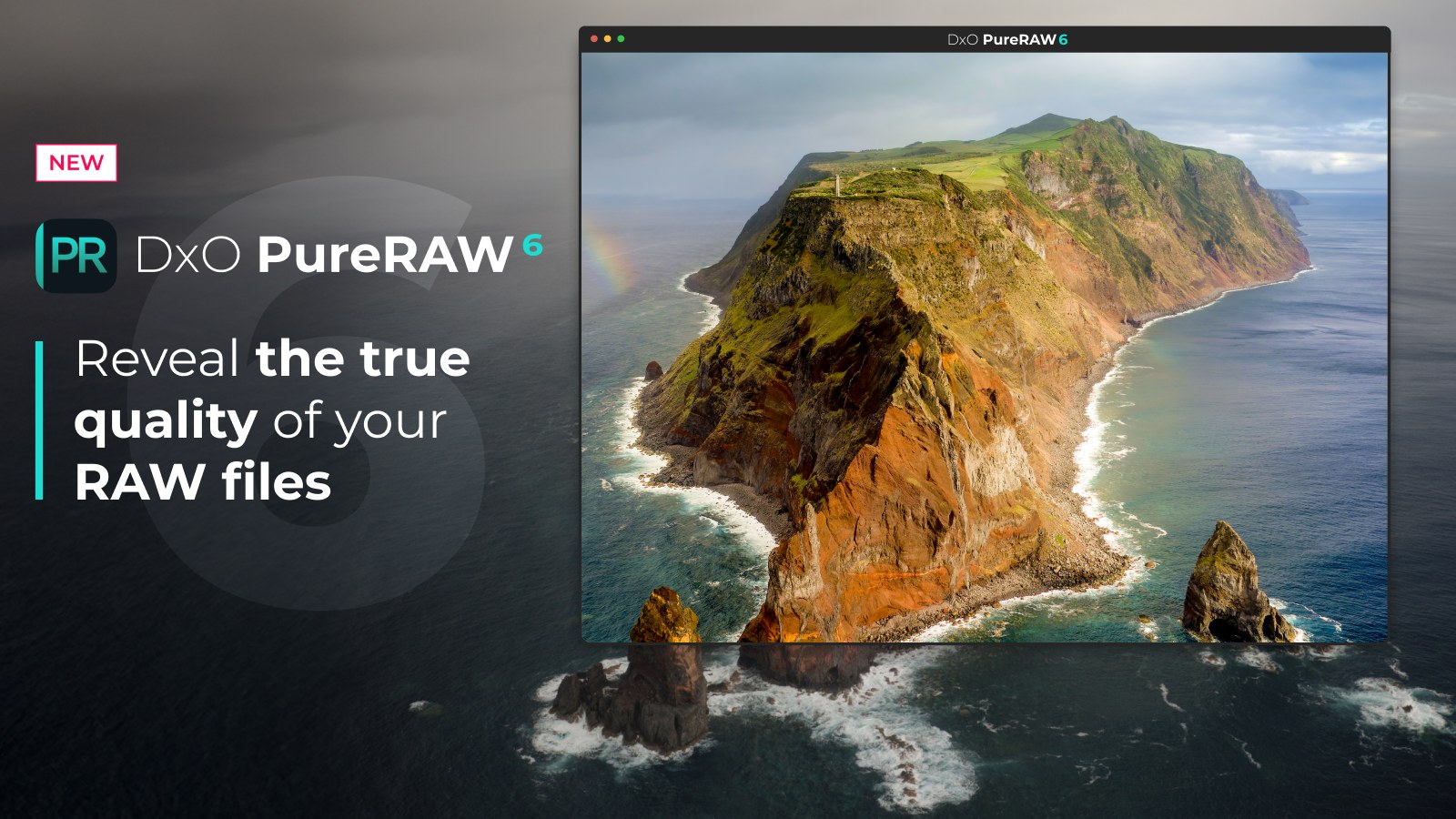
XD3 now works on all Bayer cameras, compressed DNG cuts file sizes 4x, and AI sensor dust removal is batch-automatic. The best RAW pre-processor gets better.
Three algorithms, built-in retouching, and RAW support — is it worth the subscription?
How to shoot brackets, what software to use, and how to get sharp results from front to back.
Accessories

Manfrotto vs Joby GorillaPod vs Peak Design — travel, studio, and flexible tripods compared on stability, weight, and maximum load.

Lowepro vs Peak Design vs Shimoda — camera bags compared on protection, access speed, and comfort for long days in the field.

B+W vs NiSi vs K&F Concept — fixed and variable ND filters compared on optical quality, colour cast, and value.
Sony TOUGH vs Lexar Professional vs ProGrade CFexpress — SD, CFexpress, and microSD cards compared on read/write speeds, durability, and value.
Canon PIXMA PRO-200 vs Epson EcoTank vs Canon SELPHY — photo printers compared on print quality, ink costs, and paper size support.
How to think about photography gear
Photography gear is deeply personal — and deeply misunderstood. The internet is full of discussions about which camera is sharpest, which lens renders the most beautiful bokeh, which flash has the most power. Most of it misses the point entirely.
The question is never "what is the best lens?" The question is "what is the best lens for what I want to photograph?" A 600mm telephoto is useless for studio product photography. A tilt-shift lens is irrelevant to bird photography. And a €3,000 camera body won't make your insect photos sharper if your technique isn't there yet.
Start with the subject, not the gear
Every buying decision should start with a single question: what are you trying to photograph? Insects at 1:1 magnification in the field demand a very different setup than birds in flight at 400 meters, or products in a controlled studio environment. The subject defines the requirements — and the requirements define the gear.
For macro and insect photography, the key variables are working distance, magnification ratio, and autofocus speed. These are not spec sheet numbers — they translate directly into how many shots you come home with versus how many times the insect flew away.
Sensor size changes everything
A 1:1 macro lens on a Micro Four Thirds camera gives you the equivalent of 2:1 on full frame — twice the magnification for the same lens. A 90mm lens on MFT gives the field of view of 180mm on full frame. This means a compact, affordable MFT kit can outperform much more expensive full-frame gear for insect photography specifically.
Accessories that punch above their weight
Not every photography upgrade costs hundreds of euros. The Raynox DCR-250 is a €70 close-up filter that clips onto almost any lens and provides a significant magnification boost. A good diffuser for your flash can transform harsh macro shots into soft, natural-looking images. Our reviews reflect this philosophy — we look at real-world usability and whether a piece of gear actually solves the problem it claims to solve.
For astrophotography, Unistellar makes smart digital telescopes — eVscope and eQuinox — that combine automated star-tracking with a companion app, making deep-sky and planetary photography accessible without a steep learning curve.
Frequently Asked Questions
Which camera system should I buy?
OM System (Micro Four Thirds): best for macro and wildlife, smallest/lightest system, excellent computational features. Canon RF: massive lens ecosystem, best autofocus, broadest budget tier. Sony E-mount: cutting-edge tech, excellent lenses, video-focused. Nikon Z: best traditional ergonomics, growing lens lineup. For macro/wildlife: OM. For general purpose: Canon. For video: Sony.
Should I buy used photography equipment?
Yes, particularly lenses — they hold value extraordinarily well. MPB, KEH, and Wex Photo Video offer warranties on used gear. Used quality lenses are 30-50% cheaper than new with minimal performance loss. Camera bodies are riskier (shutter wear, sensor issues) but acceptable from reputable dealers. Saves significant money.
What software do you recommend for photo editing?
DxO PhotoLab 10: complete RAW editor with Depth Masks, face-level AI masks and Affinity hand-off, best noise reduction (DeepPRIME XD3), no subscription. Adobe Lightroom: industry standard, deep ecosystem, subscription model. DxO PureRAW 6: pre-processor for Lightroom users wanting better noise reduction. Nik Collection 9: creative plugins for either workflow. For non-subscription: DxO PhotoLab.
What's covered in the photography gear section?
Reviews of macro and wildlife cameras (OM-1, Canon R7), specialty lenses (M.Zuiko 90mm Macro, Canon RF 100-400mm), flashes (Godox MF12, V860III), software (DxO PhotoLab, PureRAW, Nik Collection, Helicon Focus), and buying guides for tripods, bags, ND filters, and memory cards. Plus the focus stacking guide.