
Best Camera for Macro Photography 2026 — Top 5 Compared
As an Amazon Associate and member of other affiliate programs, we earn from qualifying purchases. How we test →
Last updated: May 2026 • 5 cameras compared
- OM System OM-1 Mark II — 20MP MFT (4.9/5)
- Sony A7 IV — 33MP FF (4.7/5)
- Canon EOS R7 — 32MP APS-C (4.6/5)
The best macro camera is not simply the highest resolution. Stabilisation, subject tracking, and burst speed matter far more for photographing live insects. We compare five cameras across MFT, APS-C, and full-frame on the factors that determine real-world macro performance.
Quick Comparison
| Camera | Sensor | Best for | Score |
|---|---|---|---|
| OM System OM-1 Mark II | 20MP MFT | Best for insect macro Best Pick | ★★★★☆ 4.9 |
| Sony A7 IV | 33MP FF | Best for general macro Runner-up | ★★★★½ 4.7 |
| Canon EOS R7 | 32MP APS-C | Best budget macro + wildlife | ★★★★½ 4.6 |
| Nikon Z8 | 46MP FF | Best for studio macro | ★★★★½ 4.5 |
| OM System OM-5 Mark II | 20MP MFT | Best budget field macro Best Budget | ★★★★½ 4.3 |
1. OM System OM-1 Mark II — Best for Insect Macro

The OM-1 Mark II is purpose-built for insect macro. The combination of 8.5-stop IBIS and 120fps Pro Capture mode enables hand-held macro shooting at shutter speeds that would normally require a tripod. Pro Capture fires frames before you press the shutter button — trigger on motion and review afterward. The MFT 2x crop factor turns a 60mm macro lens into 120mm equivalent, multiplying magnification without optical compromise. AI insect tracking locks onto insect eyes and maintains focus as subjects move. IP53 weather sealing handles rain and streamside shoots.
- 8.5-stop IBIS + 120fps Pro Capture — hand-held macro reliability
- AI insect/bug subject detection
- IP53 weather sealed
- 2x crop factor adds magnification reach
- 20MP — less detail than full-frame for heavy cropping
- MFT lens ecosystem smaller than Canon/Sony
2. Sony A7 IV — Best for General Macro
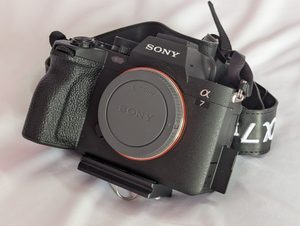
The Sony A7 IV offers the most versatile macro experience. 33MP full-frame sensor gives exceptional detail — essential if you crop heavily during macro work. Low-light performance means macro indoors, at dusk, or under dense forest canopy is practical without ISO penalties. Sony's real-time subject tracking and animal detection work well for insects. Paired with the Sony FE 90mm f/2.8 macro, the combination is professional-grade. The tradeoff is weight and 10fps burst — modest compared to 120fps. But if you also shoot landscape, travel, or portraiture, the A7 IV pays for itself in versatility.
- 33MP gives excellent crop flexibility
- Full-frame low-light performance
- Good subject detection AF
- Versatile — great for non-macro use too
- Heavier and more expensive than MFT options
- 5.5-stop IBIS behind OM-1's 8.5 stops
- 10fps burst not ideal for live insects
3. Canon EOS R7 — Best Budget Macro + Wildlife

The EOS R7 is the most underrated macro camera available. At ~€1,500, it delivers 32MP resolution with 7-stop IBIS and 15fps RAW burst — specifications that would cost twice as much in other systems. The 1.6x APS-C crop adds reach, making a 100mm macro lens equivalent to 160mm on full-frame. Pair the R7 with Canon's RF 100-400mm and you have a single camera that handles insects at 100% magnification and birds at 400mm equivalent. Canon's insect subject detection is reliable. Best suited for photographers who refuse to specialise — they want macro capability without sacrificing wildlife and travel flexibility.
- 32MP APS-C with 7-stop IBIS
- 1.6x crop gives extra reach
- 15fps RAW burst
- Doubles as excellent wildlife camera
- APS-C — not ideal for very low light
- Less advanced insect tracking than OM-1
4. Nikon Z8 — Best for Studio Macro
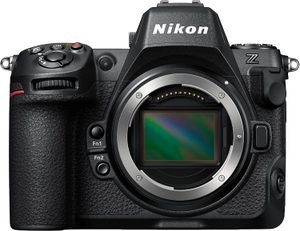
The Nikon Z8 is overkill for most insects but indispensable for focus stacking. At 46MP, every megapixel earns its weight when you stack 30-50 exposures at different focus points. The resulting image has resolution and detail that rivals scientific photography equipment. Field macro doesn't demand this camera — it's heavy, expensive, and the 46MP sensor is wasted on handheld single shots. But in a studio setting, mounted on a focus rail with controlled lighting, the Z8 excels. Entomologists, taxonomists, and collectors use this approach for permanent archival documentation.
- 46MP delivers extraordinary detail
- Excellent for focus stacking studio work
- 20fps burst
- Professional build quality
- Very expensive (~€4,000)
- Heavy — not ideal for field macro
- Overkill for most insect photographers
5. OM System OM-5 Mark II — Best Budget Field Macro
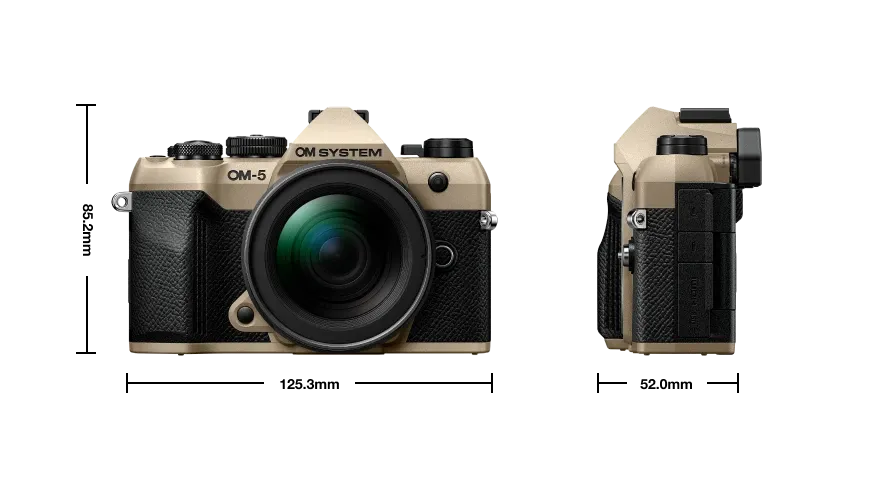
The OM-5 Mark II is the OM-1's practical sibling. Nearly identical stabilisation (7 vs 8.5 stops), same IP53 weather sealing, same 2x crop factor. Differences are in AF speed and subject tracking — the OM-5's autofocus is slower and insect tracking less sophisticated. For static insects or slower subjects, the gap disappears. At ~€600 cheaper than the OM-1 Mark II, it's the most affordable entry to high-quality macro work. If you're unsure about committing to insect macro, the OM-5 Mark II is the right insurance policy. Weather-sealed, stabilised, and capable.
- IP53 weather sealed
- 7-stop IBIS
- MFT 2x crop factor
- ~€600 cheaper than OM-1 Mark II
- Slower AF than OM-1 Mark II
- Less advanced subject tracking
- Slower burst speed
What Makes a Great Macro Camera?
IBIS — the first requirement
Handheld macro demands shutter speeds that seem impossibly slow — 1/4 second at f/8 and ISO 100. Without IBIS, a tripod becomes mandatory. With 7-stop stabilisation, you push shutter speeds into the 1/2 second range at high magnification. This transforms the macro workflow from tripod-bound to mobile and responsive.
Burst speed and Pro Capture
Dragonflies, butterflies, and beetles move unpredictably. High burst rates (15fps or higher) give you more frames to choose from. Pro Capture's prediction-based burst (firing before you press the button) is even better for erratic motion. Slow burst speeds (5–10fps) work only if you shoot controlled, staged insects.
Subject tracking and autofocus
Eye detection, insect-specific tracking, and reliable continuous AF systems take the computational load off you. Modern AI-driven subject detection is genuinely game-changing for macro work. Older autofocus systems force manual focus — workable but slower.
Sensor size trade-offs
MFT sensors (2x crop) have depth-of-field advantages for macro. Full-frame sensors excel in low light. Weather sealing matters in damp field conditions. But none of these compensate for poor IBIS, slow burst, or unreliable autofocus — prioritise the first three factors.
Our Verdict
Best for live insect macro: OM System OM-1 Mark II — 120fps Pro Capture and AI insect tracking are unmatched. Best all-round macro versatility: Sony A7 IV with 33MP and full-frame flexibility. Best value macro + wildlife double-duty: Canon EOS R7 at ~€1,500. Best for studio focus stacking: Nikon Z8 with 46MP. Best budget field entry: OM System OM-5 Mark II.
FAQ
Do I need a mirrorless camera for macro?
No, but you'll have a harder time. DSLR macro is possible with manual focus and careful technique, but modern mirrorless cameras' computational autofocus and real-time focus peaking make macro dramatically easier. If you own a DSLR, don't upgrade immediately. If you're shopping fresh, mirrorless is the smarter choice.
Does sensor size matter for macro?
Yes and no. Larger sensors have lower diffraction limits and better low-light performance. But depth of field in macro depends on magnification and aperture, not sensor size. MFT's 2x crop actually makes depth-of-field easier to manage — you get more magnification from the same lens at a wider aperture. MFT has a DOF advantage despite smaller sensors.
What burst speed do I need?
10fps is sufficient for controlled, staged insects. 15–20fps handles most field work. 120fps is luxury. The real factor is whether you shoot single-shot or continuous AF — Pro Capture and AI subject tracking enable lower burst speeds because the tracking itself does the work.
Is weather sealing necessary?
Not essential, but useful. If you shoot insects in rain, streamside, or extreme humidity, IP53 or better justifies the cost. Most macro photographers encounter wet conditions occasionally — sealing guards against your biggest risk: splash damage to electronics.
OM-1 vs Sony A7 IV for insects — which is the right choice?
The OM-1 Mark II if macro is 80%+ of your photography. The Sony if you split time between macro and other work. The OM-1 has superior burst and tracking for insects. The Sony has better all-around versatility and more detailed output from the 33MP sensor.