
Best Macro Lens for Insect Photography 2026 — 6 Picks Compared
As an Amazon Associate and member of other affiliate programs, we earn from qualifying purchases. How we test →
Last updated: September 14, 2026 • 6 lenses compared
- OM System 90mm f/3.5 IS PRO — Best overall: 2:1 with autofocus (MFT) (4.9/5)
- Canon RF 100mm f/2.8L Macro — Best for Canon EOS R: 1.4x with autofocus (4.7/5)
- Canon EF 100mm f/2.8L IS USM — Proven classic that adapts to EOS R (4.6/5)
Insect photography demands specific gear. Working distance matters more than magnification alone. Your subjects move, they're small, and they flee if you get too close. This changes everything about which lens matters. We compared 6 lenses across Canon, Sony, OM System and Laowa to find which delivers the best results for photographing live insects in the field.
Quick Comparison
| Lens | Mount | Magnification | Working distance | Score |
|---|---|---|---|---|
| OM System 90mm f/3.5 IS PRO | MFT | 2:1 | 14cm | ★★★★☆ Best Pick |
| Canon RF 100mm f/2.8L Macro | Canon RF | 1.4:1 | ~13cm | ★★★★½ Runner-up |
| Canon EF 100mm f/2.8L IS USM | Canon EF | 1:1 | ~30cm | ★★★★½ 4.6 |
| Sigma 105mm f/2.8 DG DN Art | Sony E / L-mount | 1:1 | ~29cm | ★★★★½ 4.6 |
| Sony FE 90mm f/2.8 G OSS | Sony E | 1:1 | ~28cm | ★★★★½ 4.5 |
| Laowa 100mm f/2.8 2x APO | Multiple | 2:1 | ~23cm | ★★★★½ Best Budget |
What makes a macro lens good for insects?
Working distance is the first critical factor. Insects fly away. A macro lens that forces you to be 3 centimetres from your subject simply doesn't work in the field. Generally, the longer the focal length, the greater the working distance. A 90–105mm macro lens typically gives you 25–30 centimetres of space between the lens front and your subject — enough room to not disturb the insect and enough space to position a light reflector or flash.
Magnification is the second factor. 1:1 magnification (true macro) means the subject is rendered life-size on the sensor — plenty for butterflies, beetles, and spiders. 2:1 magnification (double life-size) is helpful for very small insects like flies, ants, or aphids. But more magnification isn't automatically better — it requires getting closer and often means less working distance.
Autofocus is the third factor, and it's increasingly important. Modern autofocus — especially subject tracking on mirrorless cameras — changes the game for live insects. A lens with a fast, silent autofocus motor, especially one paired with a camera that can track insect eyes or bodies, transforms what's possible in the field.
1. OM System M.Zuiko 90mm f/3.5 Macro IS PRO — Best Overall
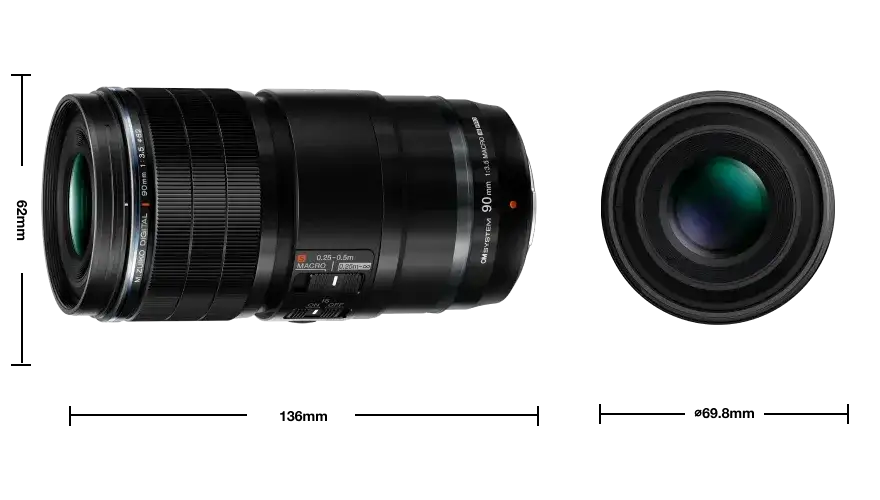
The OM System 90mm is in a class of its own for insect photography. The 2:1 magnification means you're capturing details of very small insects — the texture of a fly's wing, individual hairs on a bee's body — that you simply can't see with other lenses. On the Micro Four Thirds sensor, this 2:1 magnification translates to roughly 4:1 compared to full-frame, giving you exceptional reach into tiny details. In-lens IS works with the OM-1's in-body stabilisation as Sync IS for up to 7 stops of shake correction. AF is silent and lightning-quick. Paired with the OM-1's Subject Detection AI that can track insect eyes, this lens becomes less about macro photography technique and more about just pointing and shooting.
- 2:1 magnification reveals details other lenses can't reach
- Sync IS with OM bodies — up to 7 stops stabilisation
- Lightning-fast, silent autofocus
- Weather-sealed, compact for the performance
- Works perfectly with OM-1's Subject Detection AI
- MFT mount only — not for Canon, Sony, Nikon users
- Expensive at $1,599.99 for a Micro Four Thirds lens
2. Canon RF 100mm f/2.8L Macro IS USM — Best for Canon EOS R
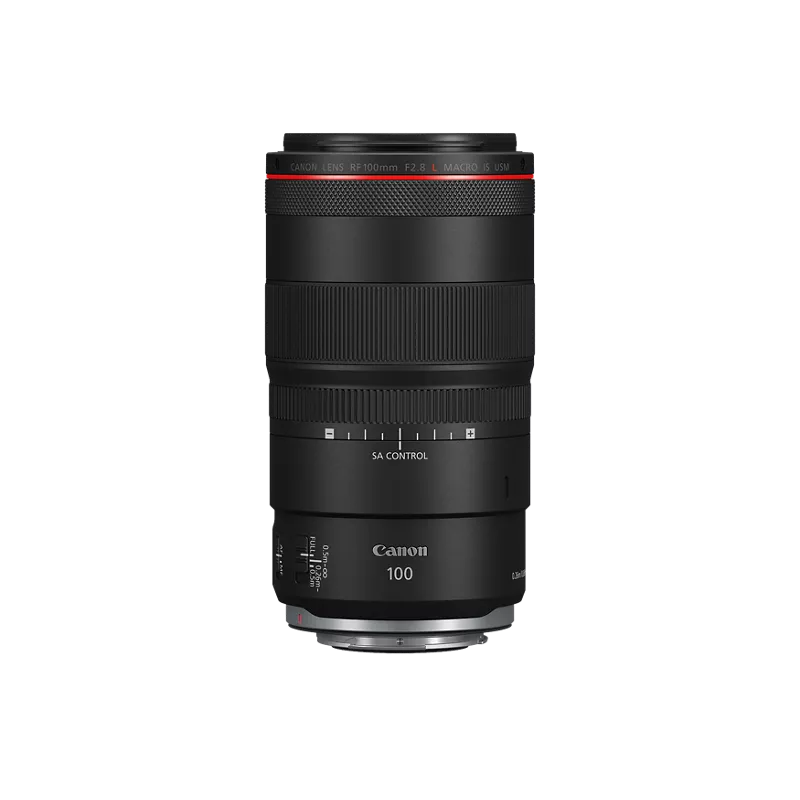
Canon's newest macro lens for the RF mount is a professional-grade tool. The 1.4:1 magnification sits between standard 1:1 macro and true 2x magnification — enough to show insect anatomy clearly without requiring extreme working distances. L-series optics deliver outstanding sharpness corner to corner with zero softness even at full magnification. The Hybrid IS system provides up to 5 stops of stabilisation, and Canon's native RF implementation means the AF is as responsive as modern mirrorless can get. The SA Control ring lets you manipulate bokeh character — smooth, neutral, or swirly — for aesthetic control on creative shots.
- L-series optics — outstanding sharpness
- 1.4x magnification is ideal middle ground
- Hybrid IS up to 5 stops
- Native RF mount with fast AF integration
- Expensive at $1,349 for a specialty macro lens
- Not available for Canon EF mount — RF only
→ Read our full Canon RF 100mm Macro review (1.4x, focus shift explained)
3. Canon EF 100mm f/2.8L IS USM Macro — Proven Classic
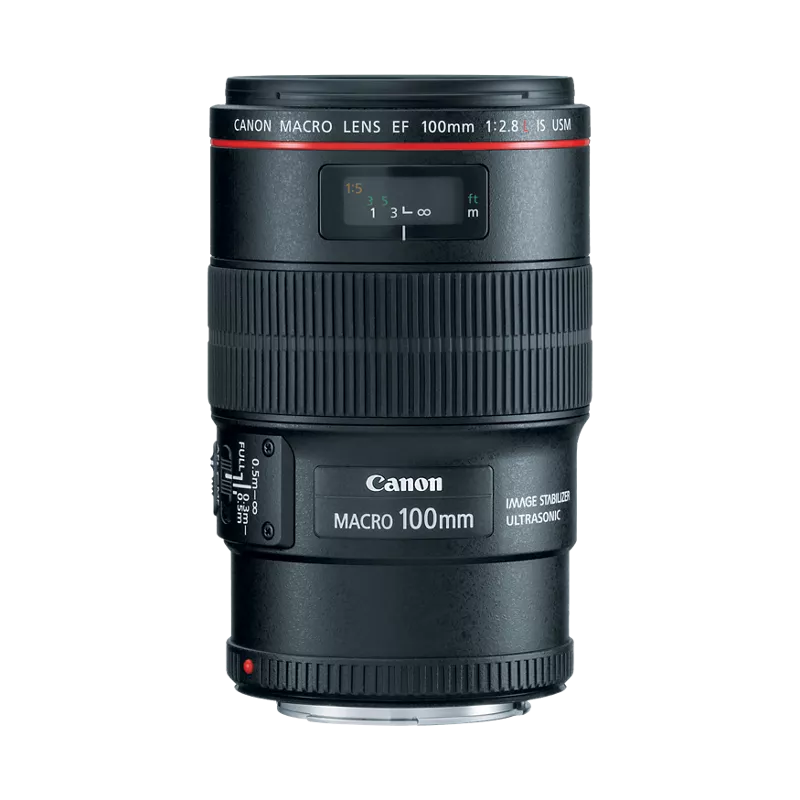
This is the macro lens that thousands of insect photographers have grown up with. The generous 30-centimetre working distance at 1:1 is ideal for field work — you have room to position lights, reflectors, or even a diffuser without crowding the subject. The L-series glass delivers professional sharpness. Hybrid IS provides 4 stops of stabilisation. If you own a Canon EOS R, you can adapt this lens perfectly — a Canon EF-to-RF adapter turns this into a native RF experience with full AF functionality, for less than the newer RF 100mm. Works on all Canon EOS R bodies including the APS-C R7 and R10.
- Excellent sharpness and optical character
- Generous 30cm working distance
- Hybrid IS stabilisation
- Significantly cheaper than Canon RF 100mm
- Adapts to EOS R with full functionality
- 1:1 maximum magnification (no 2x option)
- Older design, heavier than modern alternatives
4. Sigma 105mm f/2.8 DG DN Macro Art — Best for Sony & L-mount
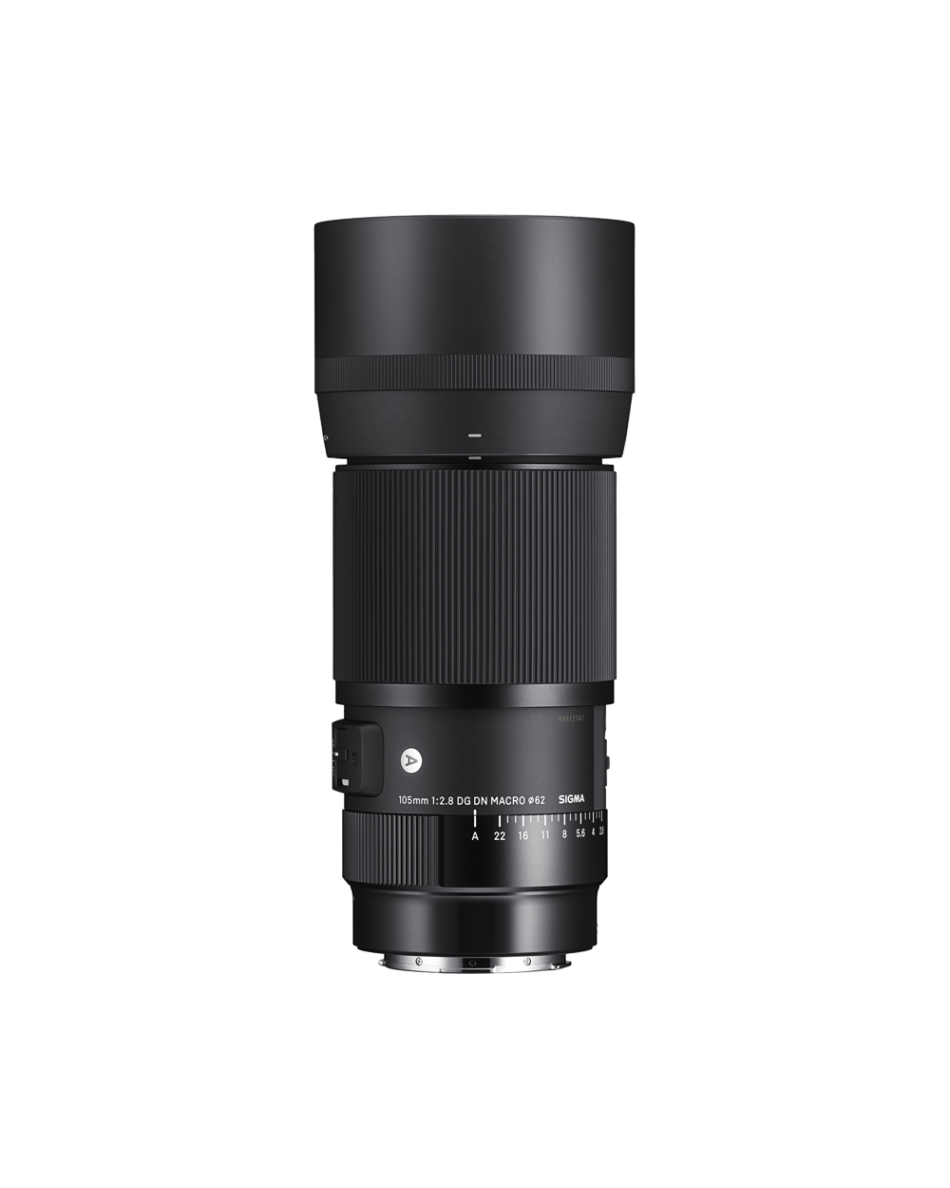
Sigma's Art-series lenses are famous for optical excellence, and this macro is no exception. The optics are razor-sharp across the frame, with minimal aberration even at maximum magnification. The lack of in-lens IS isn't a problem for Sony and Panasonic shooters — those systems have excellent in-body stabilisation. The HLA autofocus motor is fast and precise, and the aperture ring gives you direct, tactile control. The 29-centimetre working distance is comfortable for field work. For the price, this is exceptional value compared to Sony's native 90mm.
- Art-series optics — outstanding corner-to-corner sharpness
- Good working distance at 1:1 (29cm)
- Fast, precise HLA autofocus
- Aperture ring for direct control
- Better value than Sony native alternatives
- No in-lens IS (not critical with Sony/Panasonic IBIS)
- Not available for Canon or Nikon mounts
5. Sony FE 90mm f/2.8 G OSS Macro — Solid Sony Native Option
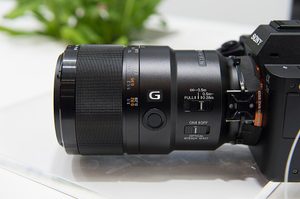
Sony's native macro is a straightforward, well-executed lens. The OSS optical stabilisation (4 stops) combines with Sony's IBIS for good overall shake correction. G-series optics are sharp and colour-accurate, with clean bokeh that doesn't distract from the subject. Where this lens shines is integration with Sony's advanced autofocus — subject tracking works beautifully with insects, locking onto an insect's body and tracking it as it moves. For live butterfly or dragonfly work, this AF capability is genuinely useful. The 28-centimetre working distance is plenty for field work.
- Native Sony mount with perfect integration
- OSS + IBIS — excellent stabilisation
- Subject tracking AF works well with insects
- Works on both full-frame and APS-C bodies
- More expensive than Sigma 105mm Art
- 1:1 maximum (no 2x magnification option)
6. Laowa 100mm f/2.8 2x Ultra Macro APO — Best Budget 2x
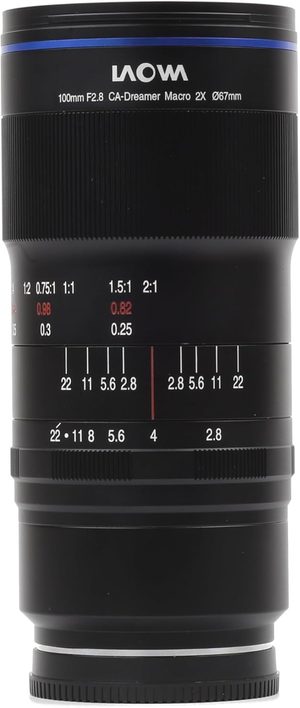
The Laowa is the budget-conscious macro photographer's secret weapon. 2:1 with autofocus costs $1,599.99 on the OM System 90mm — this lens delivers 2:1 for a fraction of that. The trade-off is manual focus only, with no autofocus and no in-lens stabilisation. For extreme macro, manual focus is actually normal: at 2:1 magnification, depth of field becomes razor-thin, and precise manual focus gives you finer control than autofocus. The APO design minimises chromatic aberration, critical when magnifying small details. Build quality is solid. Most users pair this lens with a light tripod or macro rail for repeatable, sharp shots.
- 2:1 magnification at half the cost of alternatives
- APO optics minimise chromatic aberration
- Available for most major mounts (Sony E, Canon EF/RF, Nikon F/Z, L-mount)
- Solid build quality
- Manual focus only — no autofocus
- No stabilisation — tripod/rail recommended
- Challenging for hand-held live insect work
Which lens should you choose?
Micro Four Thirds — absolute best for insects
The OM System 90mm f/3.5 is in a class of its own. 2:1 magnification, lightning-fast AF, and up to 7 stops of Sync IS stabilisation make it the most capable insect macro lens available for MFT. If you shoot an OM-1, this is your lens.
Canon EOS R
The Canon RF 100mm f/2.8L delivers stunning results — but you pay premium prices. If budget is tight, the older Canon EF 100mm L adapts beautifully to EOS R and costs significantly less. Both are excellent; the EF version is the smarter choice unless you need the SA Control ring or maximum sharpness at 1.4x.
Sony mirrorless
The Sigma 105mm Art gives slightly better optical performance than the Sony native 90mm at a lower price — but the Sony 90mm has the edge on autofocus integration. In 2026, the Tamron 90mm f/2.8 Di III VXD is also worth considering for its faster VXD linear motor. Choose Sigma for optics-first shooting, Tamron for autofocus speed on a budget, or Sony for seamless native integration.
Budget 2x magnification on any system
The Laowa 100mm 2x APO is the answer. No autofocus, but it delivers 2x magnification for a fraction of the price of an autofocus 2:1 lens. Perfect for controlled studio work or stationary subjects.
FAQ
Do I need a special macro lens for insect photography?
Yes, ideally. A true macro lens (1:1 or better magnification) lets you focus close enough to fill the frame with a small insect. A standard zoom or prime lens simply can't focus close enough to capture the detail you need.
What magnification do I need for insect photography?
1:1 is the minimum for most insects — butterflies, beetles, bees. For very small insects (flies, ants, aphids), 2:1 gets you significantly more detail and reveals textures you can't see with 1:1.
What working distance is good for insect photography?
20–30 centimetres is comfortable for most field work. It gives you enough space to light the subject, position a reflector, and avoid scaring insects. Lenses under 100mm often require you to get much closer, which is impractical.
Do I need autofocus for macro insect photography?
For live insects in the field, fast autofocus is a major advantage. Modern mirrorless cameras with subject tracking (especially OM-1 and Sony A7 series) transform what's possible. For studio work or stationary subjects, manual focus is fine.
Can I use extension tubes instead of a macro lens?
Extension tubes are a cheap way to experiment with macro, but they reduce image quality, slow autofocus dramatically, and remove your ability to focus at normal distances. A dedicated macro lens is the right tool for serious insect photography.