
Best Hiking Backpack 2026 — Top 5 Compared & Ranked
As an Amazon Associate and member of other affiliate programs, we earn from qualifying purchases. How we test →
Last updated: September 20, 2026 • 8 models compared
- Osprey Atmos AG LT 65 — Best overall (4.8/5)
- Gregory Baltoro 65 — Best light and fast (4.6/5)
- Osprey Kestrel 48 — Best lightweight (4.5/5)
The right hiking backpack distributes load, keeps your back cool and stays comfortable over long days on trail. Testing covered 8 models from day packs to expedition bags — these five are the best in 2026.
Quick Overview
| Model | Best for | Score |
|---|---|---|
| Osprey Atmos AG LT 65 | Best overall Best Pick | ★★★★☆ 4.8 |
| Gregory Baltoro 65 | Best light and fast Runner-up | ★★★★½ 4.6 |
| Osprey Kestrel 48 | Best lightweight | ★★★★½ 4.5 |
| Deuter Aircontact Core 60+10 | Best back ventilation | ★★★★½ 4.4 |
| Kelty Coyote 65 | Best budget Best Budget | ★★★★½ 4.3 |
1. Osprey Atmos AG LT 65 — Best Overall
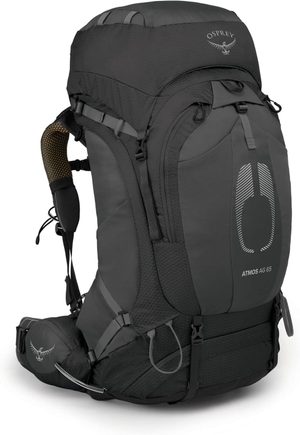
The Osprey Atmos AG LT 65 is the definitive multi-day hiking backpack in 2026. The Anti-Gravity suspended mesh back panel keeps the pack off your spine for airflow and transfers weight to the hips effortlessly. The LT version shaves 300g over the original while retaining all the features. At 65L it handles 3- to 7-day trips comfortably.
- Anti-Gravity suspended mesh back panel
- Exceptional comfort under heavy loads
- 65L capacity for multi-day trips
- Osprey All Mighty Guarantee — lifetime repair
- Expensive (~$290)
- Larger bag not ideal for short day hikes
2. Gregory Baltoro 65 — Best Load Carry
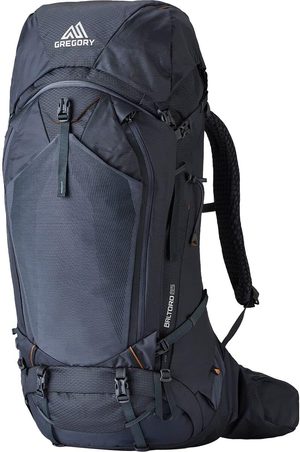
The Gregory Baltoro 65 is the benchmark for heavy-load comfort. The Response A3 suspension system pivots with your hips in three planes — reducing lateral fatigue on long days over uneven terrain. At 65L it handles 4-7 night trips and loads up to 25kg with ease. Multiple access points and abundant pockets make organisation effortless on multi-day routes.
- Response A3 3-axis pivoting suspension
- Excellent comfort under heavy 20kg+ loads
- 65L with top and front access
- Gregory lifetime guarantee
- Heavy at 2.13kg
- Overkill for short trips
3. Osprey Kestrel 48 — Best Lightweight
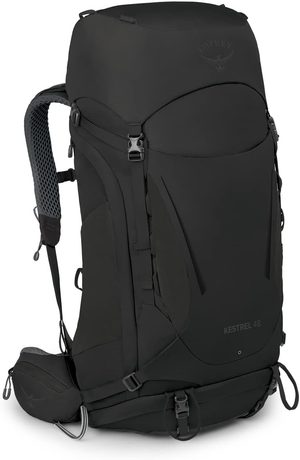
The Osprey Kestrel 48 hits the sweet spot between weight and comfort. At 1.42kg it's substantially lighter than full-frame expedition packs while the AirSpeed tensioned mesh back panel provides real ventilation and structure under loads up to 16kg. The 48L capacity is perfect for 2-3 night trips. Osprey's All Mighty Guarantee covers it for life.
- AirSpeed tensioned mesh back — excellent ventilation
- Lightweight at 1.42kg
- 48L — ideal for 2-3 night trips
- Osprey lifetime guarantee
- Comfort drops under very heavy 18kg+ loads
- No framesheet extension for +10L
4. Deuter Aircontact Core 60+10 — Best Back Ventilation
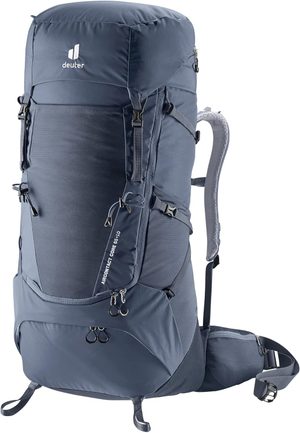
Deuter's Aircontact system uses a curved aluminium frame that channels air along the spine while maintaining close load transfer at the hips. The 60L main compartment extends by another 10L via the lid for longer trips. Wide anatomical hipbelt with padding. Deuter also sells this in a 65+10 size, but on Amazon US that one currently appears only as the women's SL version at a steep markup, so the unisex 60+10 is the sensible buy.
- Excellent back ventilation channel
- Extendable 60+10L capacity
- Wide anatomical hipbelt
- German manufacturing quality
- Heavy at 2.54kg
- Ventilation system adds bulk
5. Kelty Coyote 65 — Best Budget
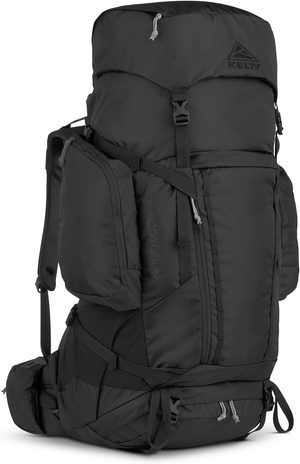
The Kelty Coyote 65 is the best value hiking backpack available — a full-featured 65L internal frame pack at under $120. The adjustable torso length fits most body sizes, the hipbelt is padded and anatomical, and the sleeping bag compartment divider keeps your kit organised. An ideal first multi-day backpacking pack for hikers on a budget.
- Exceptional value at under $120
- Adjustable torso length
- 65L with sleeping bag compartment
- Padded anatomical hipbelt
- Heavier and less refined than premium options
- Back panel ventilation could be better
What to Look for in a Hiking Backpack
Capacity
Day hike: 20–35L. Overnight: 35–50L. 2–4 nights: 50–65L. Week+: 65–80L. Choose the smallest pack that fits your kit — lighter packs make hiking easier and reduce muscle fatigue.
Suspension and fit
Measure your torso length, not your height. The hipbelt should sit on the iliac crest. 80% of pack weight should be on the hips. Shoulder straps should be in contact but carry minimal load.
Back ventilation
Suspended mesh panels (Osprey AG) and air channel designs (Deuter Aircontact) dramatically reduce back sweat. For hot-weather hiking, prioritise ventilation over pure comfort under maximum load.
Women's fit
Women's versions have narrower shoulder straps, shorter torso lengths, and hipbelts contoured for female anatomy. If a regular pack feels uncomfortable, try a women's specific version before giving up.
Our Verdict
The Osprey Atmos AG LT 65 is the most comfortable hiking backpack tested in 2026 — the Anti-Gravity suspension genuinely transforms carrying heavy loads. For heavy-load multi-day trips, the Gregory Baltoro 65 is the smarter choice. On a tight budget, the Kelty Coyote 65 delivers full-featured 65L performance at under $120.
Frequently Asked Questions
What size backpack do I need for hiking?
Day hikes: 25-40L (Osprey Talon 33). Weekend (2-3 days): 50-65L. Week-long backpacking: 65-85L (Osprey Atmos AG LT 65). Winter or expedition with technical gear: 75-95L (Gregory Baltoro 65 stretches to 75). For most hikers, 60-65L is the all-purpose size — handles weekends and stretches for week-long trips with careful packing.
How important is a backpack's frame and fit?
Critical. A poorly-fitted $400 pack carries worse than a properly-fitted $100 pack. Adjustable torso length (Osprey Atmos AG LT) means the pack actually fits your body. Hip belt should sit on top of hip bones (not waist) and bear 80-90% of pack weight; shoulder straps stabilize, not bear weight. Try packs in person at outdoor stores with weight added — fit varies dramatically between brands.
Osprey or Gregory hiking backpack — which is better?
Osprey Atmos AG LT: lighter (1.8kg), excellent anti-gravity suspension, slightly less durable in heavy use. Gregory Baltoro 65: heavier (2.3kg), more durable for rugged use, more pockets and organisation, more comfortable with heavy loads (15kg+). For weekend hikers and light loads: Osprey. For heavy loads or thru-hiking: Gregory.
How long should a hiking backpack last?
Quality packs (Osprey, Gregory): 10-20 years of regular use. The hip belt foam compresses first (typically replaceable on premium models). Buckles and zippers can wear out — Osprey has free repair-or-replace warranty. Mesh hip belts wear faster than fabric. Most premium backpacks are designed for thousands of trail kilometres.