
Best Cat Food 2026 — Top 5 Brands for Health and Nutrition
As an Amazon Associate and member of other affiliate programs, we earn from qualifying purchases. How we test →
Last updated: May 26, 2026 • 5 brands compared
- Royal Canin Indoor — Best breed-specific & vet-recommended (4.8/5)
- Hill's Science Diet — Best urinary health support (4.6/5)
- Purina Pro Plan — Best palatability (4.5/5)
Cats are obligate carnivores — their diet must be high in animal protein to support organ function, skin, and coat health. After comparing five leading brands on ingredient quality, protein sources, and urinary health support, these are our top picks for 2026.
Quick Overview
| Brand | Best for | Score |
|---|---|---|
| Royal Canin Indoor | Best breed-specific & vet-recommended Best Pick | ★★★★☆ 4.8 |
| Hill's Science Diet | Best urinary health support Runner-up | ★★★★½ 4.6 |
| Purina Pro Plan | Best palatability | ★★★★½ 4.5 |
| Orijen Cat & Kitten | Best premium dry food | ★★★★½ 4.4 |
| Blue Buffalo Wilderness | Best fish-based formula Best Budget | ★★★★☆ 4.2 |
1. Royal Canin Indoor — Best Overall & Vet-Recommended
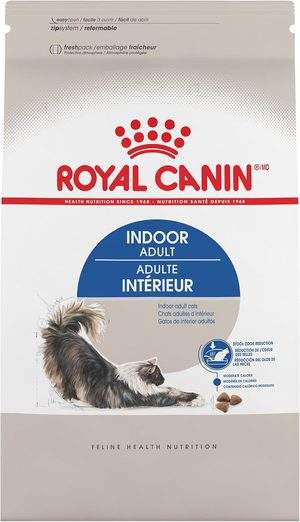
Royal Canin Indoor is formulated specifically for sedentary indoor cats — controlled calorie density to prevent weight gain, L-carnitine for fat metabolism, and fibres to reduce hairball formation. Breed-specific lines for Maine Coon, Persian, Ragdoll and more add further precision.
- Breed-specific formulas genuinely differentiated
- Highly digestible — reduced stool volume
- Vet-recommended worldwide
- Hairball reduction fibres
- Lower meat % than Orijen/Acana
- Premium price (~€7/kg)
Royal Canin's breed-specific logic is genuine — Persian cats with flat faces need different kibble shapes to pick up food effectively, and Maine Coons have higher protein requirements than small-breed cats. For pedigree owners, these lines are worth the premium.
2. Hill's Science Diet — Best for Urinary Health
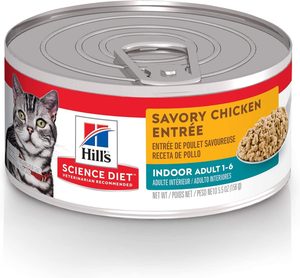
Urinary disease (FLUTD, struvite crystals) is the most common health problem in cats. Hill's Science Diet controls mineral content and urinary pH to reduce crystallisation risk. The prescription c/d Multicare is the most clinically proven urinary diet available.
- 25+ years of veterinary nutrition research
- Best clinical track record for urinary health
- Life stage and condition-specific formulas
- Available over-counter and on prescription
- Lower meat content than premium brands
- Prescription versions require vet authorisation
3. Purina Pro Plan — Best Palatability
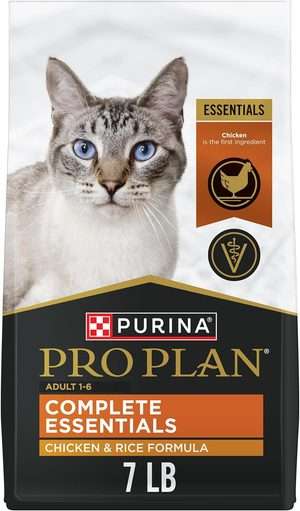
Purina Pro Plan is the preferred food of many cat show exhibitors and breeders — real chicken or salmon as first ingredient, high protein for lean muscle, and exceptional palatability. Recommended for fussy eaters that reject other premium foods.
- Named meat as first ingredient
- Excellent palatability — fussy cats eat it
- Strong Purina veterinary research backing
- Good value at ~€6/kg
- Includes some grain fillers
- Protein % lower than Orijen
4. Orijen Cat & Kitten — Best Premium Dry Food
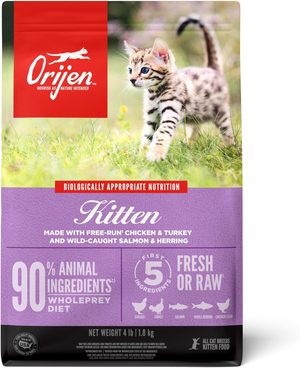
Orijen uses 85% named animal ingredients — fresh whole prey including chicken, turkey, fish, and eggs with no grain fillers. Protein exceeds 40%, reflecting cats' carnivorous requirements. Multiple named proteins in every batch mean real nutritional diversity.
- 85% animal ingredients, no fillers
- 40%+ protein — biologically appropriate
- Improved coat and muscle tone reported
- Works for kittens through seniors
- Expensive (~€12/kg)
- Rich formula — transition slowly
5. Blue Buffalo Wilderness — Best Fish-Based Formula
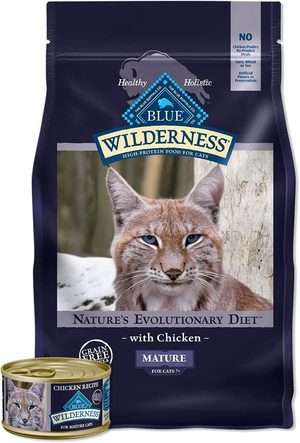
Blue Buffalo Wilderness is made by the same company as Orijen (Champion Petfoods) with 65% sustainably sourced Pacific fish. Rich in omega-3 fatty acids for skin and coat health. Grain-free, no artificial preservatives. Excellent for cats that prefer fish over poultry.
- 65% sustainably sourced Pacific fish
- High omega-3 for skin and coat
- Grain-free, no artificial additives
- Strong fish smell — not for sensitive owners
- ~€9/kg — pricier than mainstream brands
What to Look for in Cat Food
Protein sources
Named animal proteins (chicken, salmon, turkey) should be the first ingredient. "Animal derivatives" or "meat meal" indicate lower-quality ingredient sourcing. Cats need a minimum 30% protein in dry food — premium brands exceed 38–40%.
Wet vs dry
Wet food provides essential hydration — cats with a dry-food-only diet drink insufficient water, increasing the risk of urinary crystals and kidney issues. Many vets recommend a mixed feeding approach: wet food as the primary meal, dry as a supplement or dental aid.
Life stage and health conditions
Kitten food is calorie-dense for growth. Senior formulas reduce phosphorus to protect ageing kidneys. Urinary formulas control mineral content. Always match the food to your cat's life stage and any diagnosed health conditions.
Our Verdict
Royal Canin Indoor is the default recommendation for most cats — vet-endorsed, breed-specific options available, highly digestible. For urinary health concerns, Hill's Science Diet is clinically proven. Fussy eaters respond best to Purina Pro Plan. Maximum ingredient quality comes from Orijen Cat & Kitten. For fish-preferring cats, Blue Buffalo Wilderness provides exceptional omega-3 nutrition.
FAQ
Wet or dry food — which is better for cats?
Wet food is nutritionally better for most cats as it provides essential hydration. Cats evolved with a low thirst drive. Many vets recommend primarily wet food with dry as a supplement.
How much should I feed my cat daily?
An average adult cat (4 kg) needs roughly 250–280 kcal per day. Follow packaging guidelines as a baseline, adjusting for body condition. A healthy cat has a visible waist and palpable ribs.