
Best Wearables in 2026
Smartwatches, fitness trackers and sleep trackers — Apple Watch, Garmin and Fitbit tested for accuracy, battery life, and health features.
- Best Smartwatch — Apple Watch Series 10 (4.8/5)
- Best Fitness Tracker — Fitbit Charge 6 (4.8/5)
- Best Sleep Tracker — Oura Ring 4 (4.9/5)

Apple Watch Series 10, Garmin Fenix 8 and Samsung Galaxy Watch 7 — GPS accuracy, health sensors, and battery compared.
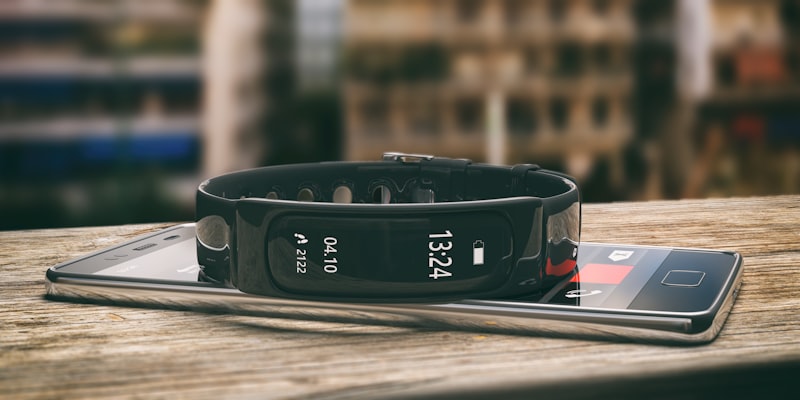
Fitbit Charge 6, Whoop 4.0 and Garmin Vivosmart tested for step accuracy, heart rate monitoring, and sleep tracking.
Oura Ring 4, Whoop and Garmin compared for sleep stage accuracy, HRV tracking, and actionable recovery insights.
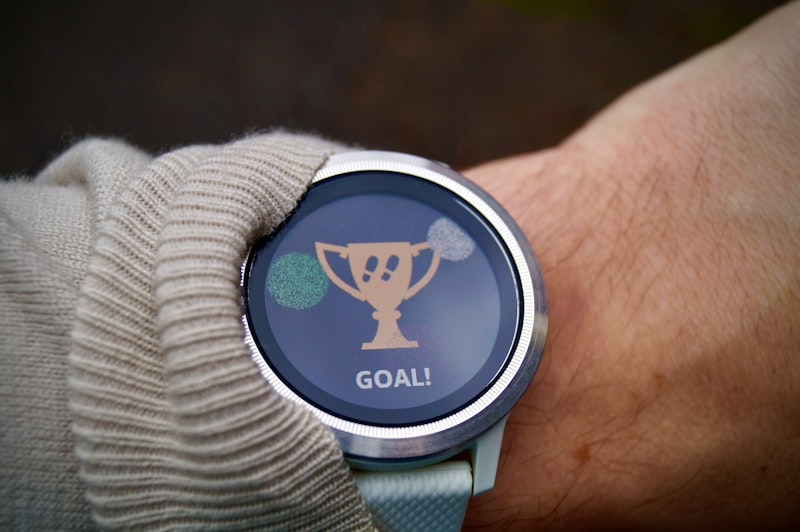
AMOLED display, Training Readiness score and 13-day battery — the best mid-range running watch tested over 3 months.
Frequently Asked Questions
Apple Watch or Garmin — which wearable to choose?
Apple Watch wins for lifestyle use — best notifications, broadest app ecosystem, ECG and blood oxygen, seamless iPhone integration. Garmin wins for endurance sport — multi-week battery life, multi-band GPS, advanced training metrics, proven durability. Lifestyle-first users: Apple Watch. Sport-first users: Garmin. Heart rate accuracy is comparable on both.
Is a basic fitness tracker enough or do I need a smartwatch?
Basic trackers (Fitbit Inspire, Xiaomi Mi Band) cover step count, sleep, heart rate, and basic notifications for £30-80. Premium smartwatches add: ECG, GPS, contactless payments, broader app ecosystem, voice assistants. For active fitness users without sport-specific needs: a basic tracker suffices. For wider lifestyle integration: smartwatch.
How long do wearable batteries last?
Apple Watch Series 11: 18-36 hours per charge. Garmin Venu 4: 7-11 days. Garmin Fenix 8: 16-29 days. Basic fitness trackers: 7-10 days. Batteries degrade to ~70% after 3 years of daily use. Premium watches (Apple, Samsung) offer paid battery replacement; budget trackers typically don't.
Which products does the wearables section cover?
Smartwatches (Apple, Samsung, Garmin), fitness trackers (Fitbit, Xiaomi), specialist sport watches, and running-specific watches. Each guide compares battery life, GPS accuracy, training metrics, app ecosystems, and value at multiple price points.