
Best Outdoor Gear in 2026
Backpacks, hiking boots, tents, sleeping bags, camping stoves, helmets and sunglasses — tested on real trails and tested outdoors.
- Best Backpack — Osprey Farpoint 40 (4.8/5)
- Best Hiking Backpack — Osprey Atmos AG LT 65 (4.8/5)
- Best Hiking Boots — Salomon X Ultra 5 GTX (4.8/5)
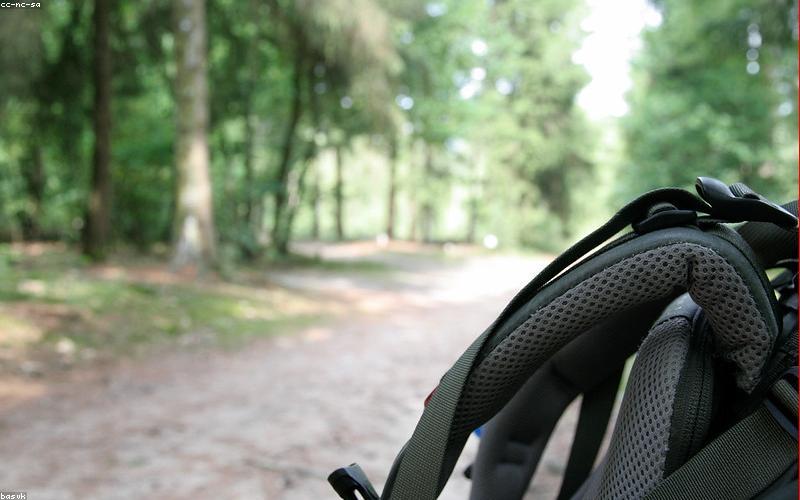
Osprey, Patagonia and North Face daypacks tested for carry comfort, organisation, and durability for commuting and day hikes.
Osprey Atmos AG, Gregory Baltoro and Deuter tested for back suspension, load transfer, and features on multi-day trails.
Salomon X Ultra, Merrell Moab and Hoka Speedgoat tested for ankle support, waterproofing, and grip on wet and rocky terrain.
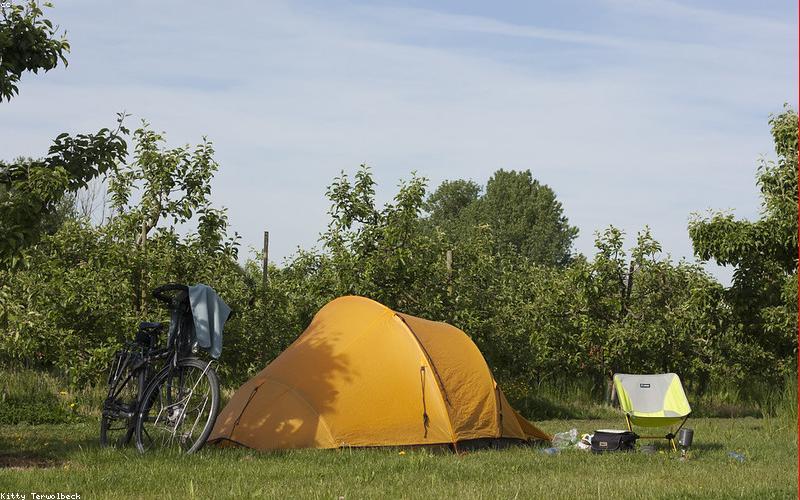
MSR Hubba Hubba, Big Agnes Copper Spur and Vango Blade tested for weather resistance, packed size, and set-up speed.
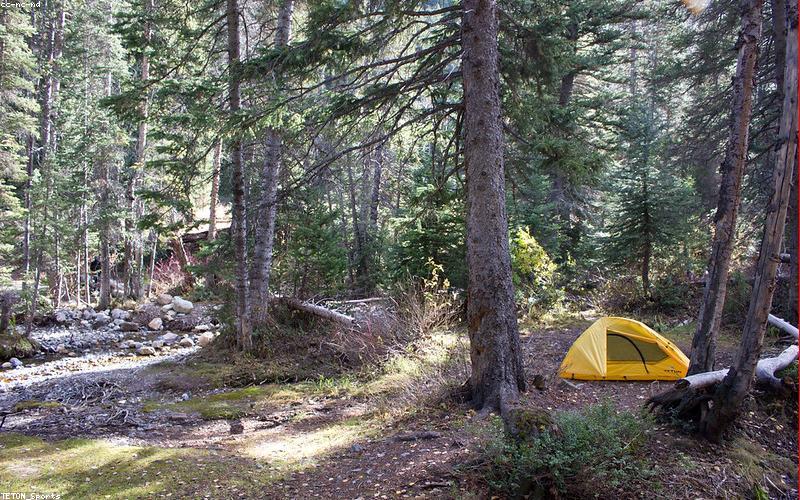
Down vs synthetic sleeping bags tested — Sea to Summit, Rab and Mountain Equipment ranked for warmth-to-weight and pack size.
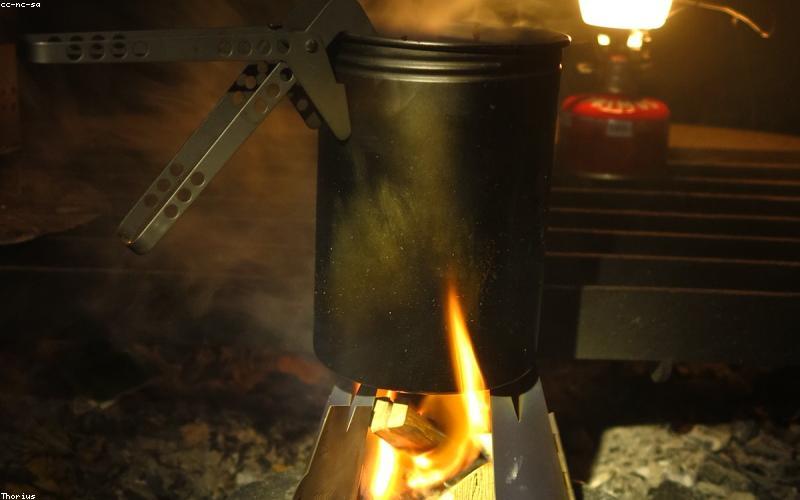
MSR PocketRocket, Jetboil Flash and Camp Chef tested for boil time, fuel efficiency, and wind performance in the field.
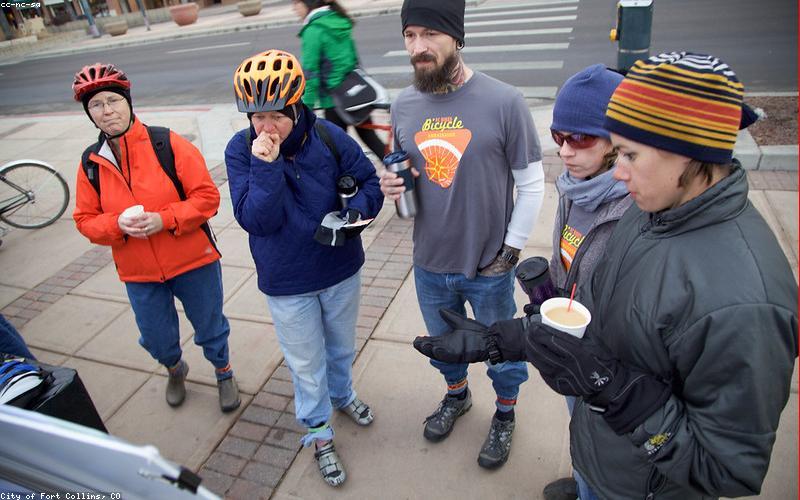
Giro Aether, Bontrager Ballista and POC Ventral tested for MIPS protection, ventilation, and aerodynamics on road and gravel.
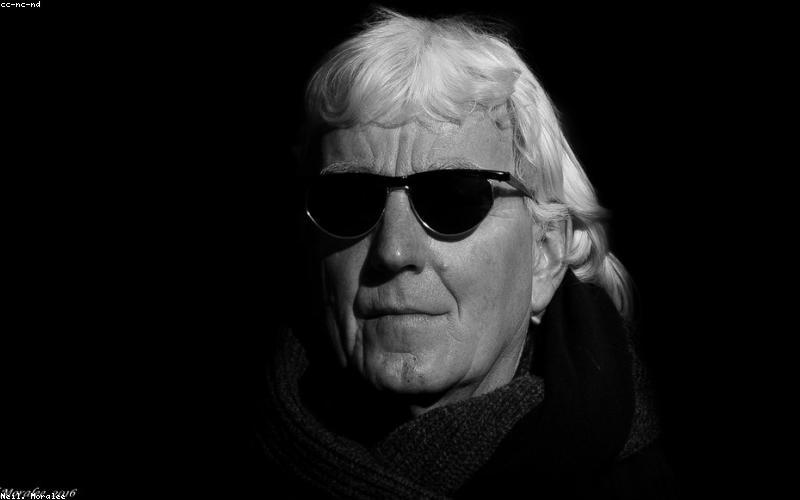
Oakley, Ray-Ban and Maui Jim tested for UV protection, lens clarity, polarisation quality, and durability for sport and everyday wear.
Frequently Asked Questions
What outdoor gear is essential for beginners?
Start with: comfortable hiking shoes/boots, a 20-30L day pack, water bottle or hydration bladder, weather-appropriate clothing layers, basic first aid kit, headlamp, and navigation (offline maps on phone with battery bank). For overnight trips, add: tent, sleeping bag, camping stove. Buy quality basics rather than cheap gear that fails.
Are expensive outdoor brands worth the premium?
Often yes for serious use. Premium brands (Osprey, Patagonia, Hilleberg) use better materials that last 10-20 years and offer real warranty support. Cheap outdoor gear often fails in conditions when failure matters most (cold, wet, remote). For occasional weekend hikers, mid-tier brands are sufficient; for serious adventurers, premium pays back.
Three-season or four-season camping gear?
Three-season (spring, summer, autumn) covers 90% of typical hikers' needs. Four-season gear handles winter and harsh mountain conditions but is heavier and more expensive. Most beginners should buy three-season gear and add four-season pieces only for specific winter trips.
How do you select outdoor and camping gear?
Each product is tested on weight-to-performance ratio (critical for backpacking), durability in real conditions (rain, abrasion, UV exposure), repairability, brand warranty quality, and price. We prioritise gear with proven track records over latest-and-greatest releases.