
Best Plant Pot in 2026: 5 Pots for Indoor and Outdoor Plants
As an Amazon Associate and member of other affiliate programs, we earn from qualifying purchases. How we test →
Last updated: September 4, 2026 • 5 options compared
- Lechuza Classico — Best self-watering (4.8/5)
- Pottery Barn Morgan — Best premium design (4.6/5)
- Elho Brussels Round — Best everyday plastic (4.3/5)
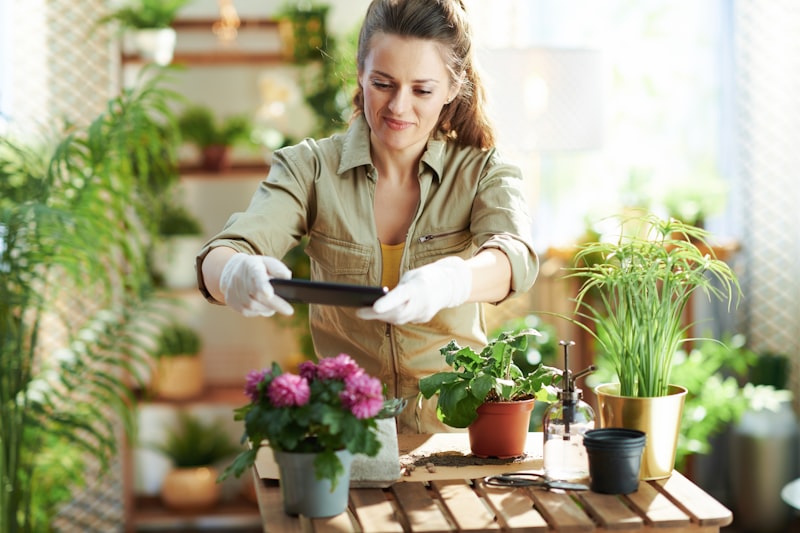
The right pot affects how well your plant grows. Root health depends on drainage quality, pot material, and pot size. Self-watering pots reduce maintenance for busy households. These five cover the full range from affordable everyday options to premium self-watering planters.
Quick Overview
| Pot | Best for | Score |
|---|---|---|
| Lechuza Classico | Best self-watering Best Pick | ★★★★☆ 4.8 |
| Pottery Barn Morgan | Best premium design Runner-up | ★★★★½ 4.6 |
| Elho Brussels Round | Best everyday plastic | ★★★★½ 4.3 |
| Classic Terracotta | Best for plants Best Budget | ★★★★½ 4.4 |
| IKEA NYPON | Best budget | ★★★★☆ 4.2 |
1. Lechuza Classico — Best Self-Watering
Lechuza's Classico uses a sub-irrigation system — a water reservoir in the base feeds roots from below, eliminating overwatering. The inner insert keeps roots above the reservoir for aeration. Available in 15, 21, and 30cm diameters. The premium high-gloss plastic construction is durable indoors and out. Perfect for anyone who travels frequently or forgets to water.
- Sub-irrigation system eliminates overwatering
- Reservoir lasts 1–4 weeks without refilling
- Inner insert with drainage for root health
- Available in 15, 21 and 30cm — suitable for most plants
- Premium price (~€35) compared to basic pots
- Not suitable for cacti and succulents that prefer dry soil
2. Pottery Barn Morgan Planter — Best Premium Design
The Pottery Barn Morgan planter is the premium design choice — hand-glazed ceramic in a matte finish with a drainage hole and matching saucer. At ~€60 it's an investment piece for statement plants like a fiddle leaf fig or monstera. The weight and quality make it feel permanent, not like a temporary container.
- Hand-glazed ceramic — premium look and feel
- Drainage hole and matching saucer included
- Suits large statement indoor plants
- Expensive at ~€60
- Heavy — not practical for frequently repotted plants
3. Elho Brussels Round — Best Everyday Plastic
Elho makes their pots from 100% recycled plastic and the Brussels Round is their most popular design. The clean, minimal aesthetic comes in 20+ colours. Available in sizes from 12cm to 40cm. At ~€12 for a 20cm pot it's the go-to everyday option for a home with multiple plants — practical, durable, and better-looking than generic plastic pots.
- 100% recycled plastic — sustainable choice
- 20+ colour options to match any interior
- Wide size range from 12–40cm
- Plastic feel — less premium than ceramic
- No drainage hole on some sizes
4. Classic Terracotta Pot — Best for Plants
Terracotta is the traditional choice for good reason — the porous clay allows gas exchange and moisture evaporation from the sides, preventing waterlogging and root rot. Essential for succulents, cacti, Mediterranean herbs, and any plant that prefers drying out between waterings. A 15cm terracotta pot costs ~€8 and is the healthiest environment for most dry-loving plants.
- Porous clay — prevents root rot in dry-loving plants
- Gas exchange from all sides — healthiest for most plants
- Very affordable at ~€8
- Heavy and breakable
- Dries out fast — needs more frequent watering for moisture-loving plants
5. IKEA NYPON — Best Budget
At ~€8 IKEA's NYPON range comes with a matching saucer and a drainage hole. The glazed ceramic look belies the plastic construction — they're lightweight and practical for beginners or for filling out a large plant collection affordably. Available in white and terracotta tones in stores.
- Includes matching saucer
- Drainage hole included
- Very affordable at ~€8
- Plastic construction — not as durable as ceramic
- Limited colour and size options
What to Look for in a Plant Pot
Drainage
Always use pots with drainage holes for most plants. Without drainage, water accumulates at the bottom and causes root rot. If you want a decorative pot without holes, use it as an outer cachepot with a draining inner pot inside.
Material
Terracotta breathes — ideal for dry-loving plants. Plastic retains moisture — better for ferns, tropical plants, and peace lilies. Ceramic is heavy but attractive. Self-watering pots (Lechuza) suit busy households. Match the material to your plant's watering needs.
Size
Pot size affects root health directly. A pot 2–3cm wider than the root ball is ideal — too large and soil stays wet too long; too small and roots become cramped. Repot when roots start escaping the drainage holes.
Our Verdict
For most indoor plant owners, the Lechuza Classico self-watering system at €35 is the best long-term investment — it reduces watering stress and maintains consistent root moisture. For dry-loving plants (succulents, cacti, herbs), classic terracotta at €8 is the healthiest and most affordable choice.
Frequently Asked Questions
Self-watering planters — are they worth it?
Yes for houseplant beginners and busy people. Self-watering pots (Lechuza Classico) reduce watering frequency from 2-3 times per week to once every 2-3 weeks. The reservoir provides consistent moisture, preventing overwatering (the most common plant killer). Premium ones look identical to traditional planters. For frequent travel or forgetful watering: essential.
Ceramic, terracotta, or plastic pots — which is best?
Terracotta: most breathable, prevents overwatering, best for cacti and succulents that need to dry out. Ceramic (Pottery Barn Morgan): better moisture retention, beautiful aesthetic, heavier (good for top-heavy plants). Plastic (Elho): lightweight, unbreakable, more affordable, good for outdoor/balcony use. For windowsills: terracotta. For statement plants: ceramic. For balconies/large plants: plastic.
What size pot does my plant need?
Choose a pot 2-3cm wider than the root ball at first repotting. Don't oversize — too much soil holds moisture and rots roots. Repot every 2-3 years, going up one size each time. Drainage holes are essential — never use a pot without them unless you're confident in careful watering. The Lechuza Classico has built-in drainage indicators.
Indoor pots without drainage holes — safe to use?
Risky but workable with technique. Use a smaller pot with drainage inside the decorative pot — water in the inner pot, let it drain, then replace. The Pottery Barn Morgan and similar decorative pots often have no drainage; treat as decorative outer casings, not the actual plant pot. Cache pot system is the safest approach for beginner gardeners.